
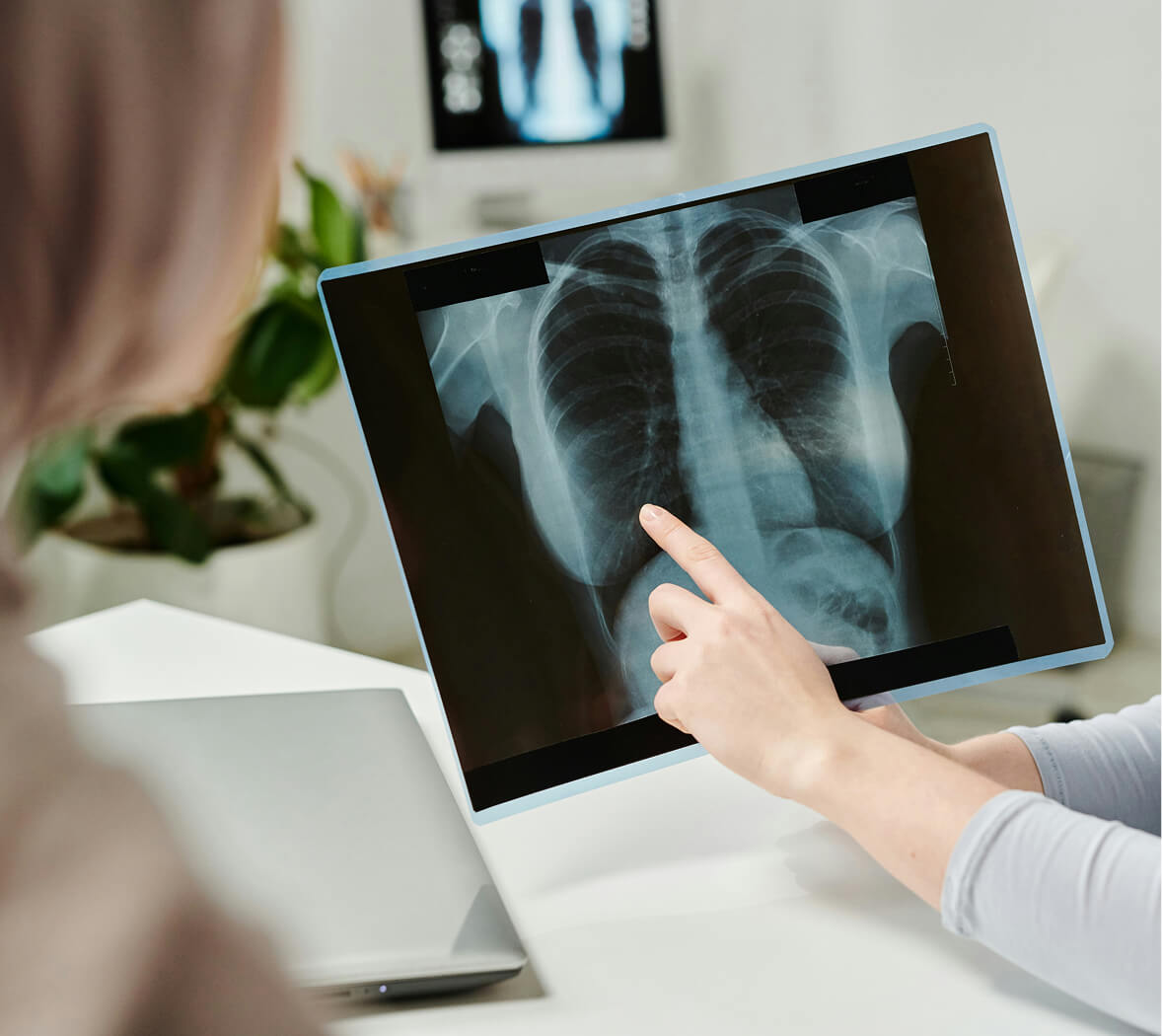
Overview
Non-Surgical Spinal Decompression, Done Right
Low back pain, disc herniation, sciatica, or chronic lumbar conditions deserve a specialist-level evaluation, not a generic protocol. At One Neurospine Health, low back pain is treated as a specialist-level concern — a thorough evaluation of the structural, functional, neurologic, and pain-system contributors, built around non-surgical spinal decompression as the core of care.
This isn’t a generic “core strengthening” program. It’s a comprehensive, evaluation-driven treatment program for patients who want answers, not just temporary relief — coordinated by a Doctor of Chiropractic, a Doctor of Physical Therapy, and a dedicated care coordinator.

YOUR DIAGNOSIS
Common Diagnoses We Work With:
- Low back pain (acute or chronic)
- Disc herniation
- Disc bulge
- Sciatica or radiating leg pain
- Lumbar radiculopathy
- Degenerative disc disease
- Lumbar stenosis
- SI joint dysfunction
- Failed prior treatment for low back pain
- Post-surgical low back symptoms
- Patients who have been told surgery is their only option and want a conservative evaluation first
How the Program Works
Your Path, Step by Step
From your first consultation to ongoing care coordination, here’s exactly what to expect.
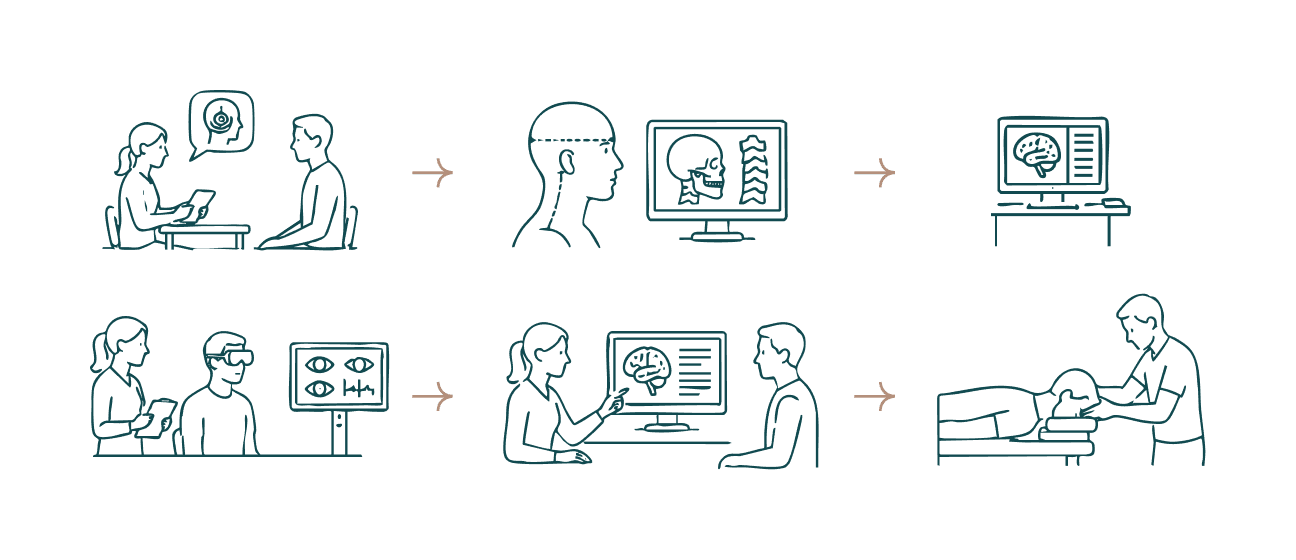
STEP 01
Consultation
A detailed history of your pain — onset, mechanism, radiation pattern, posture, and movement triggers.
STEP 02
Examination
Orthopedic and neurologic assessment, disc provocation testing, and movement/functional assessment.
STEP 03
Imaging
Review of prior MRI/X-ray, with advanced imaging ordered as clinically indicated.
STEP 04
Diagnosis
A clear explanation of whether your symptoms are disc-related, nerve-related, joint-related, or a combination.
STEP 05
Treatment
A specific, evidence-based plan built around non-surgical spinal decompression, chiropractic care, and rehabilitation.
STEP 06
Care Coordination
Ongoing progress monitoring, with referral to surgical consultation or pain management if ever indicated.
Evaluation
Low back pain is rarely simple. The goal of the evaluation is to identify whether symptoms are disc-related, nerve-related, joint-related, muscular, movement-based, pain-system related, or a combination — before recommending treatment. The evaluation includes:
- Detailed history: onset, mechanism, radiation pattern, posture, movement triggers
- Orthopedic and neurologic assessment
- Disc provocation testing
- Movement and functional assessment
- Review of prior imaging (MRI, X-ray)
- Advanced imaging as clinically indicated
- Pain and movement-sensitivity assessment
- Functional capacity and tolerance assessment
Treatment
Based on the findings, care is built around a specific, evidence-based plan centered on spinal decompression, which may include:
- Non-surgical spinal decompression therapy
- Chiropractic care: specific lumbar adjusting, distraction, or instrument-based techniques
- DPT-led lumbar stabilization and core rehabilitation
- Disc-specific rehabilitation protocols
- Neural mobilization and sciatic nerve rehabilitation
- Postural and movement retraining
- Return-to-activity and performance progression
- Referral for surgical consultation or pain management when indicated
ONE COORDINATED TEAM
Managed by a Doctor of Chiropractic, Doctor of Physical Therapy, and a Care Coordinator
Request an EvaluationDoctor of Chiropractic
Decompression & Chiropractic Care
Leads the evaluation, confirms candidacy for spinal decompression, and delivers specific chiropractic care alongside each decompression session.
Doctor of Physical Therapy
Stabilization & Rehabilitation
Builds core and lumbar strength, retrains movement patterns, and guides your return to activity between and after decompression sessions.
Specialty Care Coordinator
Manages Your Plan End to End
Schedules sessions, tracks progress, and coordinates referral to surgical consultation or pain management if your plan ever calls for it.
Frequently Asked Questions.
 What is non-surgical spinal decompression?
Does it hurt?
How many sessions will I need?
Am I a candidate?
I was told surgery is my only option — can I still be evaluated?
Do I need a referral?
When to Seek Immediate Medical Attention.
If you experience loss of bladder or bowel control, numbness in the groin or inner thighs (saddle numbness), or rapidly progressing leg weakness, seek emergency care immediately. These can be signs of a serious spinal emergency. One Neurospine Health treats chronic and structural low back symptoms and does not replace emergency evaluation.t

HEAR FROM OUR PATIENTS
"After eight months of being told my scans were normal, someone finally looked at my neck the way it moves — not just a single still picture. That's when things started to make sense."
Disclaimer.
People experiencing these symptoms and conditions travel from around the world to One Neurospine Health because our care is grounded in the most current clinical research. Our clinicians also train doctors internationally on evidence-based evaluation and treatment approaches.