
SIGNATURE PROGRAMS
Hypermobility, EDS & Suspected Instability

OUR APPROACH
A Specialty Diagnostic & Treatment Program Reframed
Hypermobility, EDS, and suspected craniocervical or atlantoaxial instability are difficult to diagnose and often go unresolved through standard imaging and standard care. Patients travel to One Neurospine Health specifically for this program — a focused pathway of consultation, examination, advanced diagnostics, and precision treatment for this patient population.
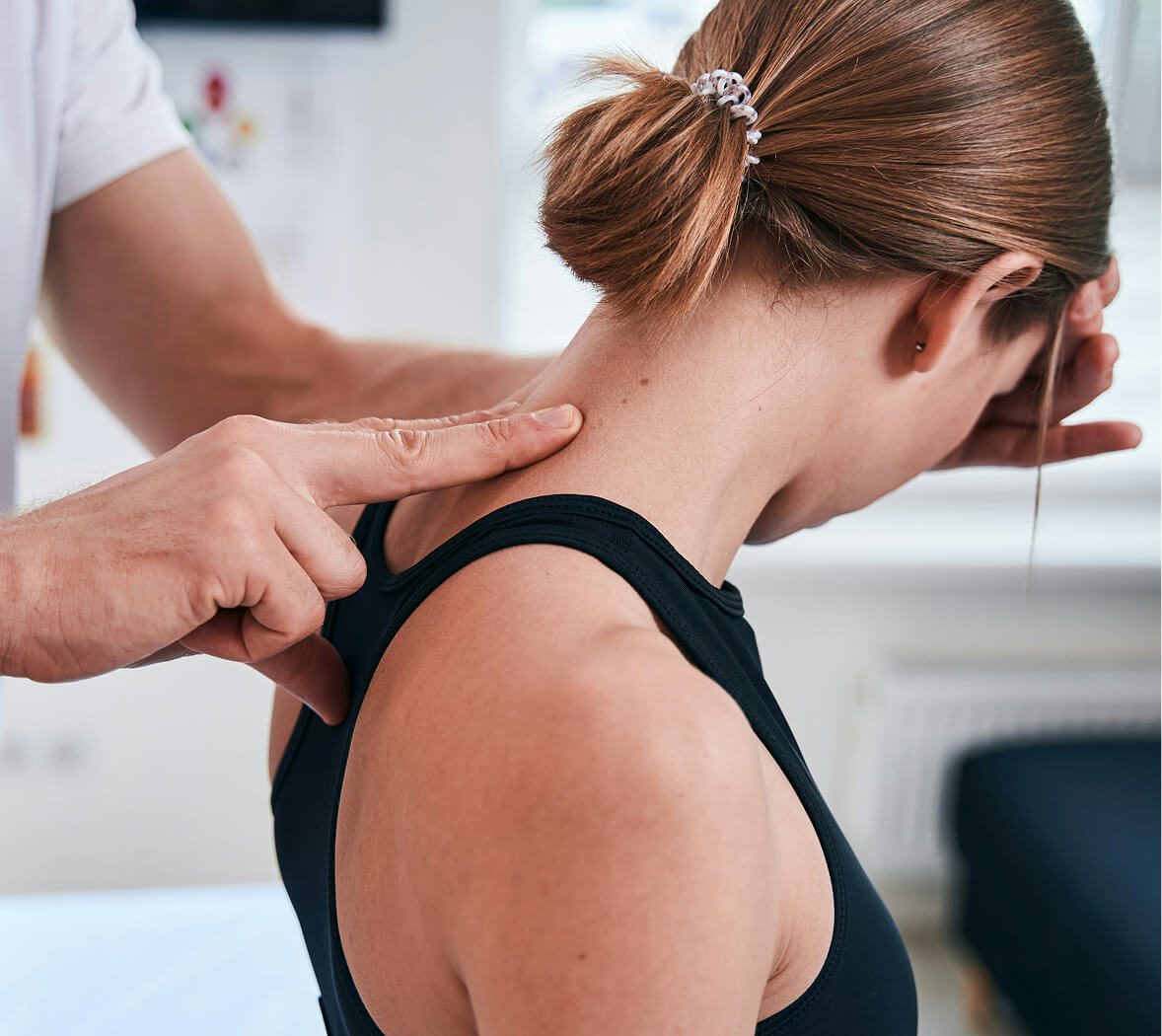
This is not general orthopedic or physical therapy care. It is a structured specialty program: we evaluate, diagnose, treat the craniocervical component with Atlas Orthogonal care, and coordinate findings with the hypermobility and EDS specialists already managing your broader care.
YOUR DIAGNOSIS
Common Diagnoses We Work With:
- Hypermobile EDS or suspected connective tissue laxity
- Suspected craniocervical instability (CCI)
- Suspected atlantoaxial instability (AAI)
- Head pressure or skull-base discomfort
- Chronic neck pain or widespread pain
- Dizziness, imbalance, or visual motion sensitivity
- POTS-like or autonomic symptoms
- Symptoms worse upright, with head position, or with motion
- Prior imaging that has not fully explained symptoms
About the Program
Hypermobility, EDS, suspected CCI/AAI, chronic pain, dizziness, head pressure, or complex head-neck symptoms — this program exists because this patient population is too often told everything "looks normal" on standard imaging.
YOUR DIAGNOSIS, STEP BY STEP
Six Steps, One Coordinated Pathway
From your first consultation to ongoing coordination with your existing care team, here’s what the program includes.
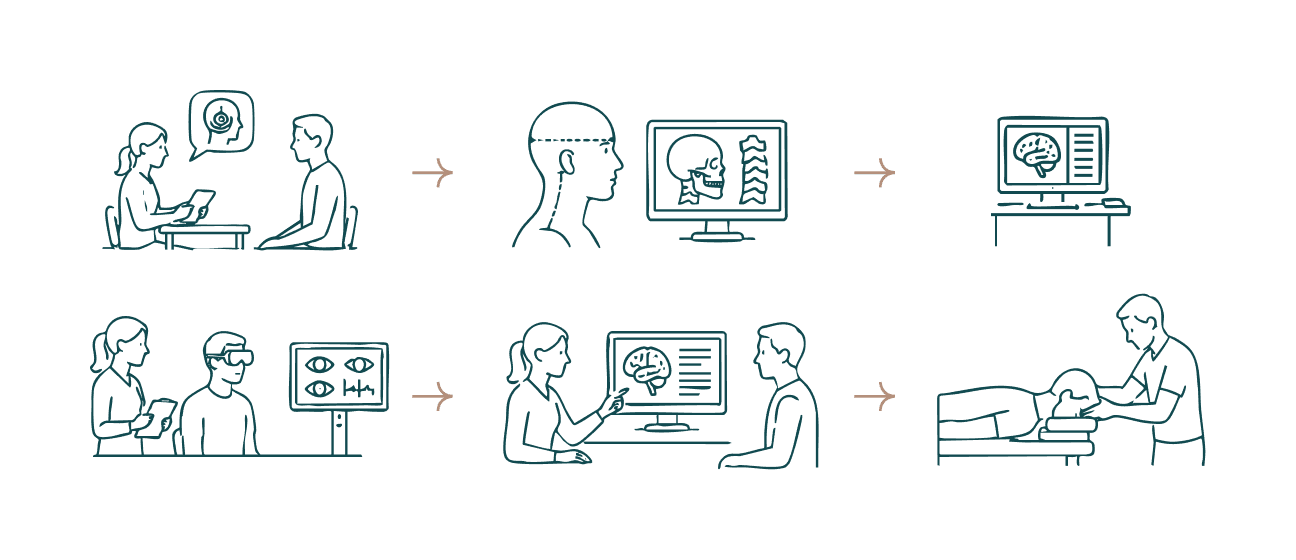
STEP 01
Consultation
A detailed intake covering your history, prior imaging, and how hypermobility or instability symptoms show up for you specifically.
Step 02
Examination
Hands-on assessment of upper cervical structure, ligament laxity, craniocervical motion, and neurologic signs.
STEP 03
Diagnostics
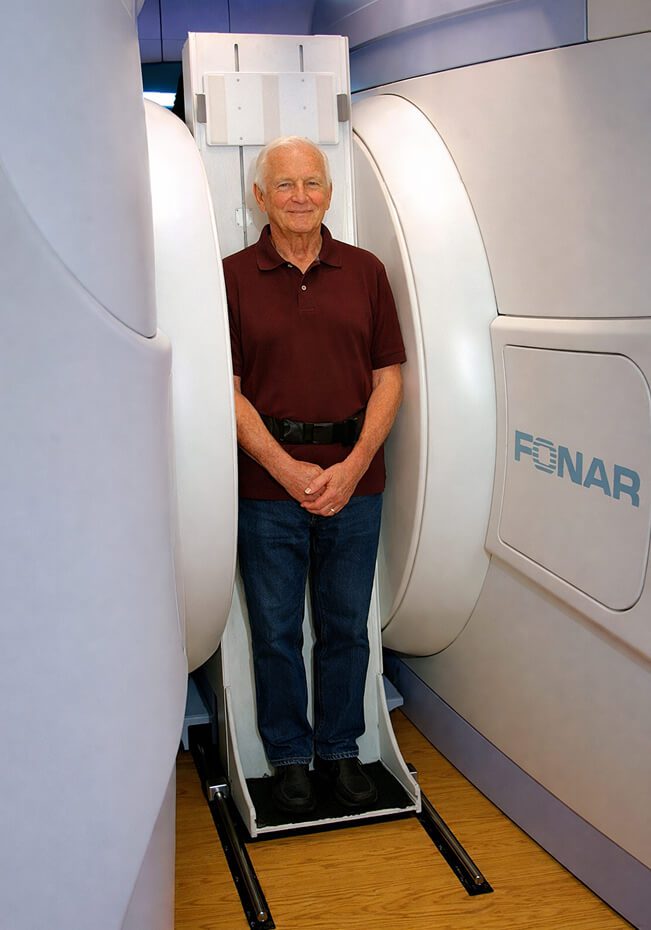
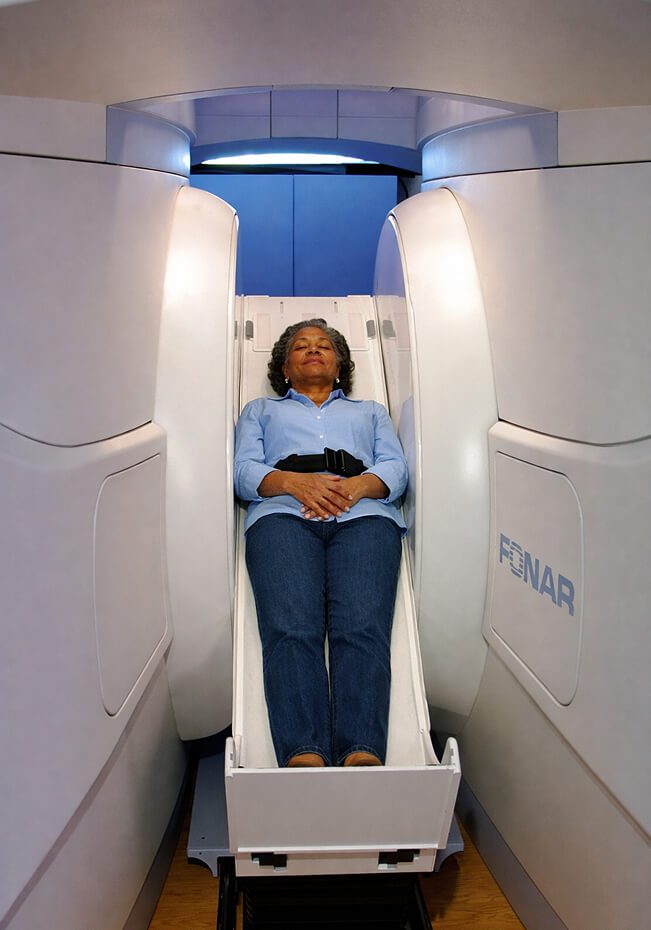
Dynamic Digital Radiography and FONAR Upright MRI, purpose-built to capture instability that recumbent imaging misses.
STEP 04
Report of Findings
A clear, plain-language walkthrough of your imaging and exam results, and what they mean for your symptoms.
STEP 05
Treatment
Gentle, precise Atlas Orthogonal upper cervical care, calibrated to the added laxity and sensitivity of a hypermobile spine.
STEP 06
Care Coordination
Findings and progress shared with your geneticist, rheumatologist, or other EDS/hypermobility specialists managing your broader care.
Fonar Research Center
State-of-the-Art Diagnostics for This Population
Our Melville location, co-located at FONAR Corporation headquarters, gives this program access to diagnostic capabilities most hypermobility and CCI patients never get offered elsewhere: FONAR Upright MRI — imaging captured seated and standing, where instability-related symptoms actually occur Dynamic Digital Radiography (DDR) — motion-based imaging that reveals craniocervical instability standard static films miss Detailed craniocervical measurements (e.g. atlantodental interval, clivo-axial angle) specific to instability workups A research-grade diagnostic environment built around exactly this patient population
Evaluation Focus
For hypermobile patients, the goal is not aggressive stretching or forceful manipulation. The goal is to identify whether symptoms are related to:
- Upper cervical structure
- Ligament laxity
- Abnormal craniocervical motion
- Poor motor control or impaired proprioception
Vestibular/ocular dysfunction - Autonomic intolerance
- Chronic pain sensitivity or nervous-system overload
Treatment
Based on your findings, treatment in this program centers on:
-
- Gentle, precise Atlas Orthogonal upper cervical correction — no twisting, cracking, or forceful manipulation
- Correction calibrated specifically for hypermobile/laxity-related sensitivity
- Post-correction re-assessment and re-testingHome care guidance suited to a hypermobile spine

Care Coordination
We Work Alongside the Specialists You Already See
EDS and hypermobility are systemic conditions best managed by a team. Our role in this program is focused: diagnose and treat the craniocervical component with precision, then share findings with the providers already managing the rest of your care.
Geneticists
Rheumatologists
POTS / Dysautonomia Specialists
Pain Management
Primary Care & Referring Physicians
Frequently Asked Questions.
 Is Atlas Orthogonal safe for a hypermobile spine?
Do I need a prior EDS or CCI diagnosis to start?
What makes Upright MRI different for this population?
Will you manage my EDS overall?
Do I need a referral?
Does treatment include physical therapy?
When to Seek Immediate Medical Attention.
If you experience severe or worsening headache, difficulty swallowing or breathing, fainting, sudden weakness, or signs of neurological decline, seek emergency care immediately. One Neurospine Health treats chronic, structural symptoms and does not replace emergency evaluation.

HEAR FROM OUR PATIENTS
"After eight months of being told my scans were normal, someone finally looked at my neck the way it moves — not just a single still picture. That's when things started to make sense."
Disclaimer.
People experiencing these symptoms and conditions travel from around the world to One Neurospine Health because our care is grounded in the most current clinical research. Our clinicians also train doctors internationally on evidence-based evaluation and treatment approaches.