
SIGNATURE PROGRAMS
Post-Concussion, Whiplash &
Brain Recovery
OUR APPROACH
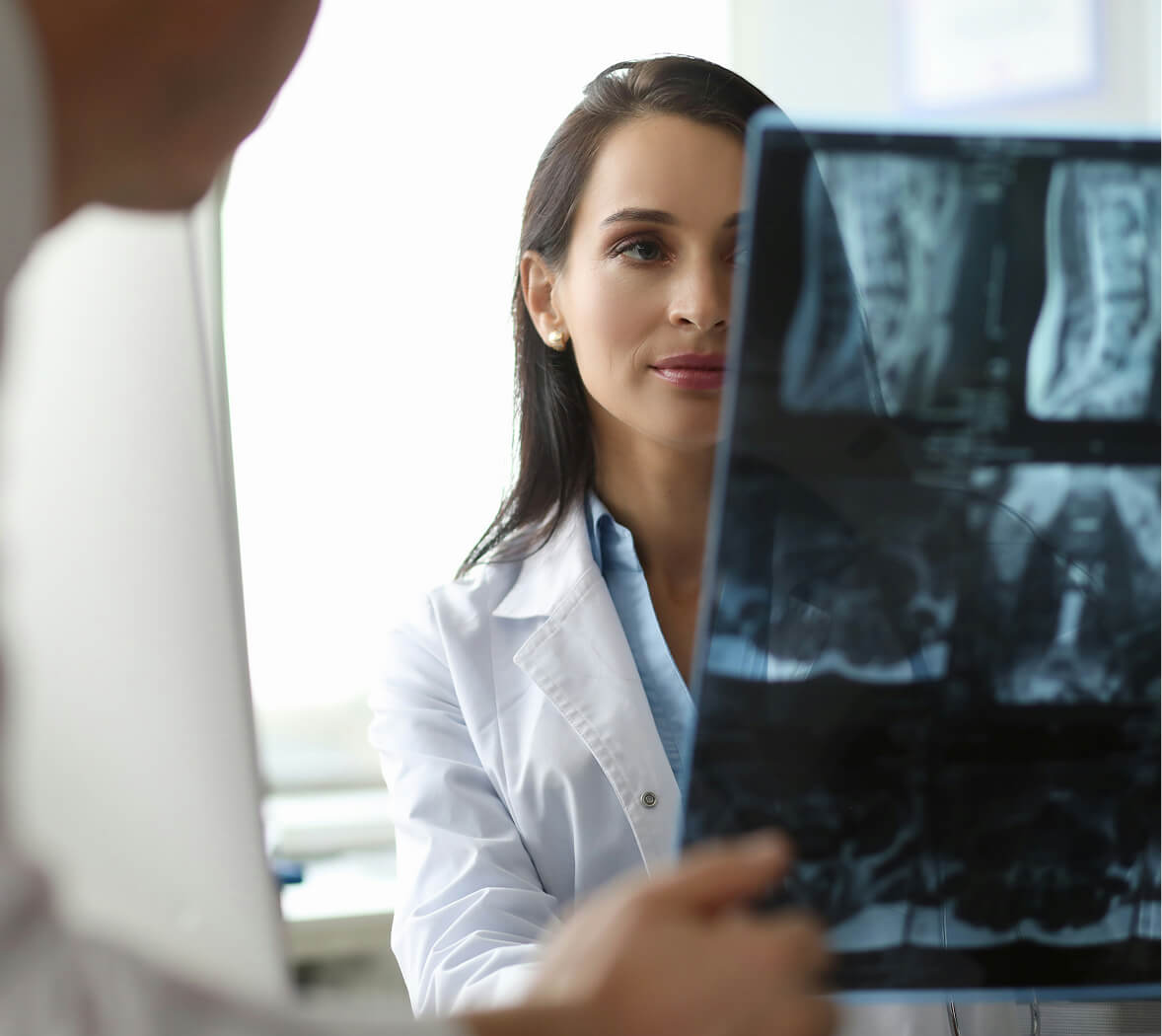
Symptoms after a head or neck injury rarely come from one place.
When symptoms persist after a concussion or whiplash injury, the answer is often hiding at the base of the skull. Our center is uniquely equipped to diagnose and treat it.
Concussion, whiplash, and persistent post-traumatic symptoms can involve the brain, the upper cervical spine, the vestibular system, the visual system, and the autonomic nervous system — often all at once. Treating only one piece is why so many patients feel stuck. Our first job isn’t to start treatment. It’s to map exactly which systems are involved, using diagnostic tools most concussion programs simply don’t have access to.

YOUR DIAGNOSIS
Common Diagnoses We Work With:
- Post-concussion syndrome
- Whiplash-associated disorder
- Craniocervical instability (CCI)
- Persistent dizziness or imbalance
- Brain fog and exertional intolerance
- Visual motion sensitivity
- Symptoms unresolved by standard concussion protocols
WHY SYMPTOMS PERSIST
Craniocervical misalignment and instability are often the root cause of lingering concussion symptoms.
The junction where your skull meets your spine houses the brainstem, vertebral arteries, and key sensory pathways. A subtle misalignment or instability here — easy to miss on a standard MRI taken lying down — can produce headaches, dizziness, brain fog, and exercise intolerance that outlast the original injury by months or years.
Our center is uniquely equipped to diagnose and treat craniocervical instability — combining a dedicated structural workup, Atlas Orthogonal correction, and Pinnacle Program rehabilitation in one connected plan, performed by clinicians trained specifically to look for what conventional concussion care often misses.
01
Dynamic Digital Radiography
Motion-based imaging that captures instability standard static films can't show.
02
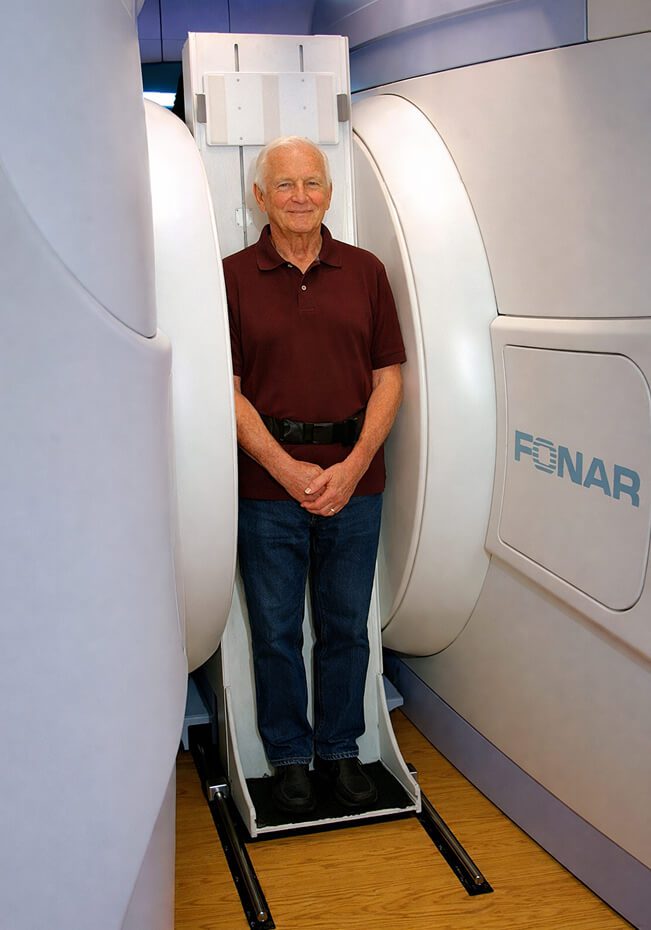
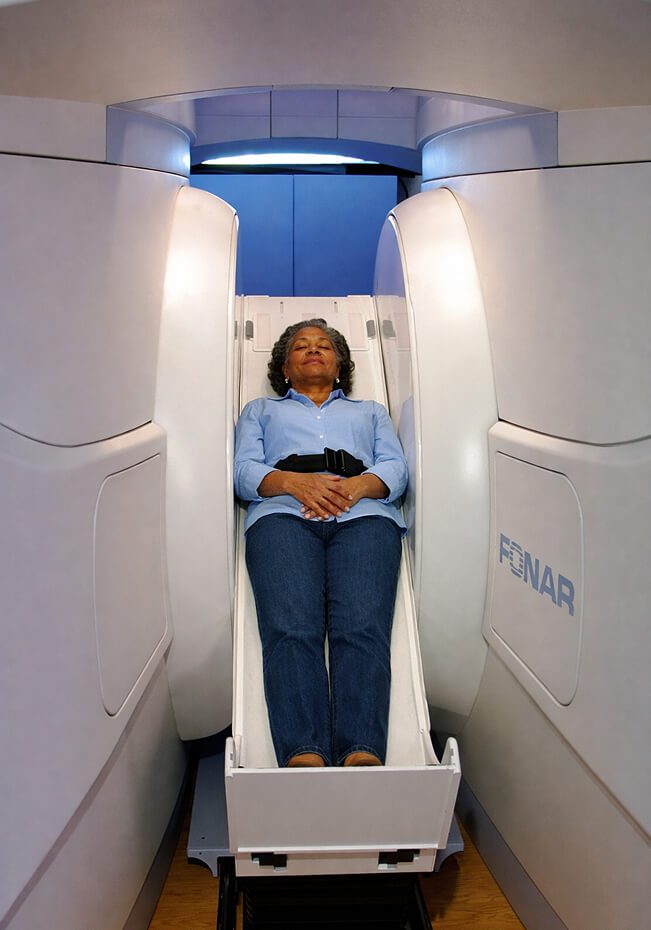
Upright, Weight-Bearing MRI
Imaging in the position symptoms actually occur — seated and standing, not lying down.
03
Atlas Orthogonal Upper Cervical Care
A precise, low-force correction protocol focused on the atlas vertebra.
04
Pinnacle Program Physical Therapy
Vestibular, visual, and autonomic rehabilitation built around your specific findings.
STEP BY STEP
Your Diagnosis and Treatment
From your first conversation to a fully coordinated treatment plan, here’s exactly what to expect at One Neurospine Health.
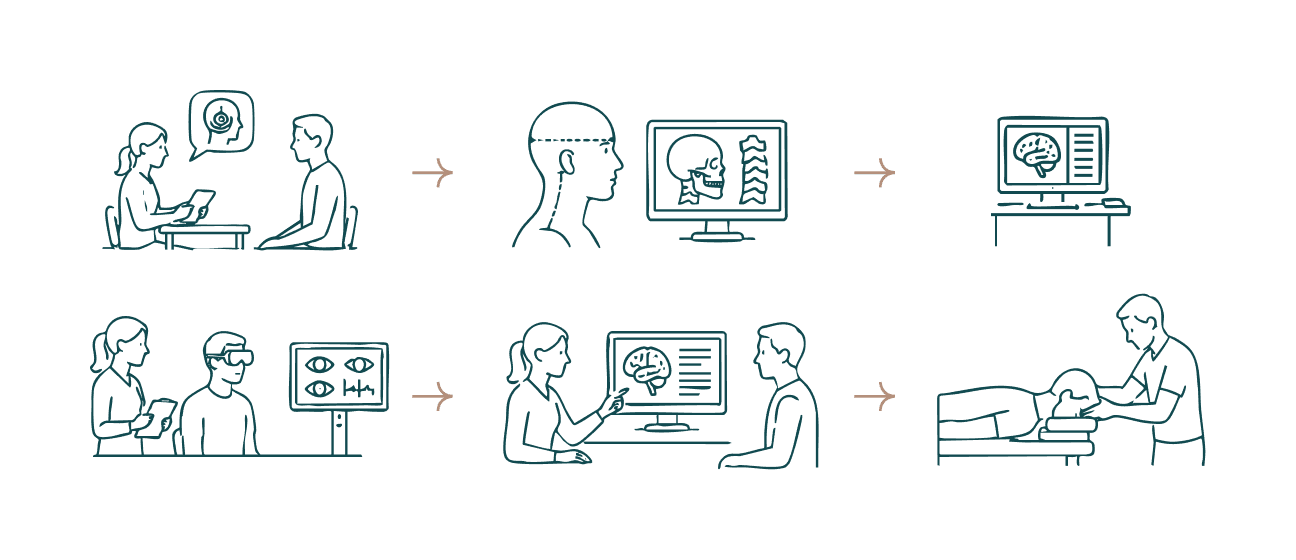
STEP 01
Intake & Symptom Mapping
We start with a detailed history of your injury and a structured symptom review, mapping what you’re experiencing against the systems most often involved after a head or neck injury.
STEP 02
Craniocervical Structural Workup
Dynamic Digital Radiography evaluates motion and alignment at the junction where your skull meets your spine, looking for instability that standard static imaging typically misses.
STEP 03
Upright MRI at Our FONAR Research Center
At our Melville location, imaging is captured seated and standing so we can see how your anatomy behaves in the positions where your symptoms actually happen.
STEP 04
DPT Functional & Vestibular Assessment
Our physical therapy team evaluates balance, eye-movement coordination, and autonomic response to build a complete functional picture alongside your imaging.
STEP 05
Your Findings, Explained
We walk through your imaging and assessment results in plain language, so you understand exactly what’s driving your symptoms before any treatment begins.
STEP 06
Atlas Orthogonal Care Begins
Using precise, low-force instrumentation, we begin correcting the craniocervical misalignment identified in your workup — no twisting or manual force involved.
STEP 07
Pinnacle Program Rehabilitation
Vestibular, visual, and autonomic rehabilitation continues alongside your Atlas Orthogonal care, built around your specific findings to support lasting recovery.
ONE COORDINATED TEAM
Built as a Multidisciplinary Center, Not a Referral List.
We’re a multidisciplinary center: every clinician works from the same imaging, the same findings, and the same plan, under one roof and in close coordination.
Doctor of Chiropractic
Leads craniocervical structural diagnostics and delivers Atlas Orthogonal upper cervical care based on objective imaging findings.
Doctor of Physical Therapy
Runs the Pinnacle Program — vestibular, ocular-motor, balance, and autonomic rehabilitation tailored to your specific deficits.
Specialty Care Coordinator
Manages your journey end to end — scheduling diagnostics, coordinating between providers, and keeping your plan moving forward.
FONAR SERVICES
Atlas Orthogonal Upper Cervical Care, DPT Pinnacle Program, and Specialty Care Coordination — Together.
Our Melville location operates inside FONAR Corporation's headquarters — the original developer of Upright MRI. Patients are scanned seated, standing, and in positions of symptom provocation, giving us a structural picture conventional supine MRI cannot capture. This research, diagnostic, and treatment relationship is part of what allows One Neurospine Health to combine craniocervical imaging, Atlas Orthogonal care, and Pinnacle Program rehabilitation in one connected plan.
Frequently Asked Questions.
 How is this different from a standard concussion clinic?
What is craniocervical instability?
Will I need imaging before treatment starts?
Do I need a referral?
How long does the full workup take?
Is Atlas Orthogonal care safe after a head injury?
When to Seek Immediate Medical Attention.
If you experience worsening headache, repeated vomiting, slurred speech, seizures, increasing confusion, or loss of consciousness following a head or neck injury, seek emergency care immediately. One Neurospine Health treats persistent, post-acute symptoms and does not replace emergency evaluation.

HEAR FROM OUR PATIENTS
"After eight months of being told my scans were normal, someone finally looked at my neck the way it moves — not just a single still picture. That's when things started to make sense."
Disclaimer.
People experiencing these symptoms and conditions travel from around the world to One Neurospine Health because our care is grounded in the most current clinical research. Our clinicians also train doctors internationally on evidence-based evaluation and treatment approaches.